
Choosing the Right Tint Shade for Your Car
A guide to darkness percentages and how they affect visibility and heat rejection.
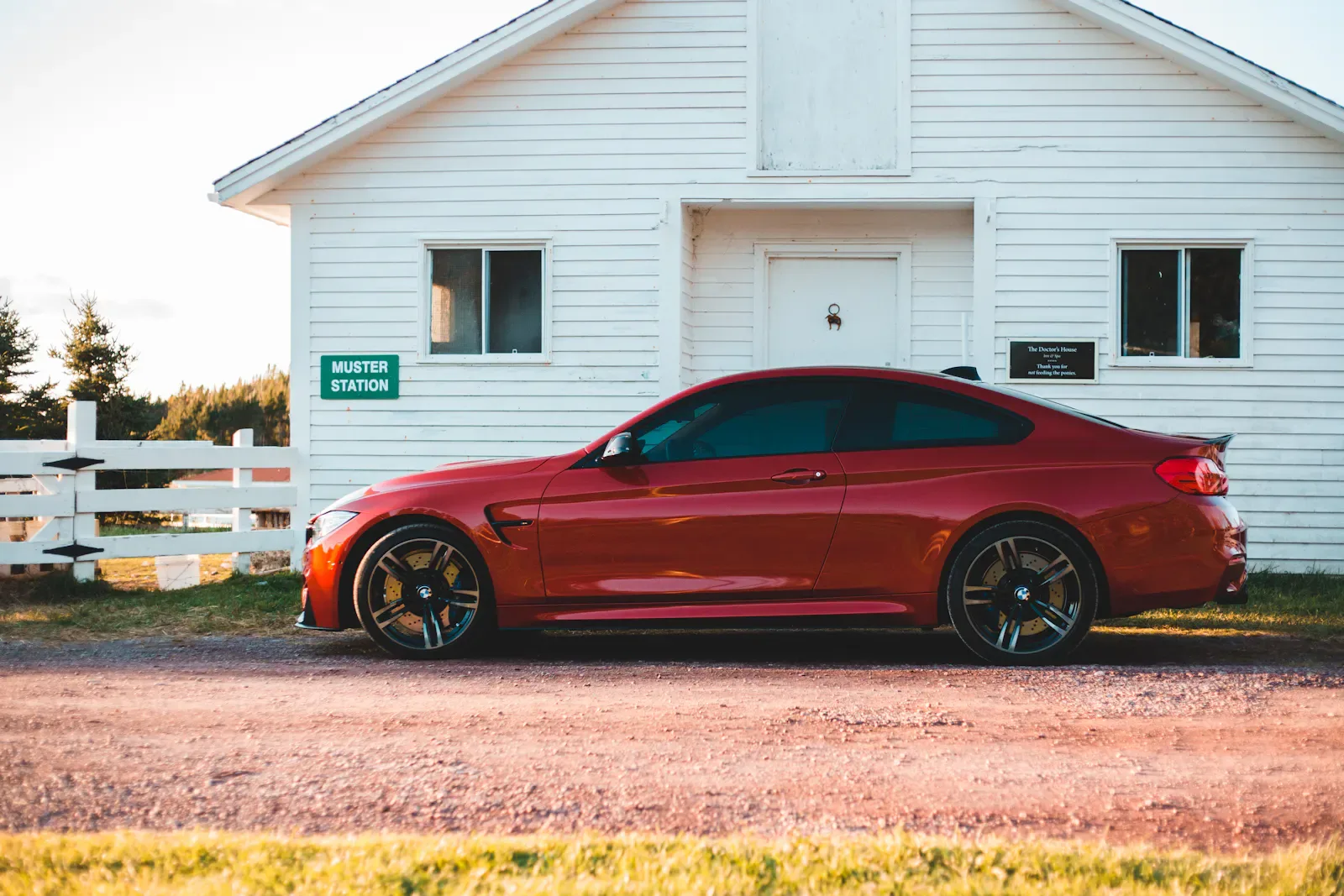
Picking a tint shade for your car is one of those decisions that feels simple until you actually stand in front of the options. Too light and you get no privacy or heat rejection. Too dark and you're squinting at intersections or risking a ticket. The right shade depends on what you're trying to accomplish, your local laws, and honestly, how you want your car to look. At 961TINTS, we help customers make this choice every day, and the answer is rarely the same twice.
The Legal Limits Matter First
Before you fall in love with a shade, check your state's tinting laws. Most states allow somewhere between 35% and 50% visible light transmission on front windows, meaning 50% to 65% of light gets blocked. Rear windows usually have more freedom. Some states let you go as dark as you want back there. Getting pulled over because your front windows are too dark isn't worth it, and a ticket can run you a couple hundred dollars. We know the regulations in our area, and when you call for automotive window tinting service, we'll tell you exactly what's legal before we start. That conversation saves headaches.
Shade Levels and What They Actually Do
Tint comes in standard percentages, and the number tells you how much light passes through. A 50% tint lets half the light in. A 35% tint lets about a third in. A 20% tint is dark enough that people outside have real trouble seeing in. A 5% tint is almost opaque, and it's illegal for front windows in most places. The darker the tint, the more heat it blocks and the more privacy you get. The tradeoff is visibility at night and in low-light conditions. If you drive a lot at dusk or you're uncomfortable with reduced outward visibility, a 50% or 35% tint is smarter than going darker. If you spend most of your time in bright daylight and want serious heat rejection, 20% or darker makes sense for rear and side windows.
Ceramic Tint Gives You Options Without the Downsides
Standard dyed window tint is cheap, but it fades and doesn't reject much heat. Metallic tint blocks heat better but can interfere with phone signals and GPS. Ceramic tint installation has become the standard we recommend because it performs better across the board. It blocks more infrared heat than dyed film, it doesn't fade as fast, and it doesn't mess with electronics. Ceramic tint installation cost is higher than basic dye film, usually by 30% to 50%, but it lasts years longer and actually keeps your car cooler. If you're doing automotive window tinting installation on a newer car or you plan to keep the car long term, ceramic makes financial sense.
Think About Your Driving Habits and Climate
Someone who parks in a garage and drives short distances has different needs than someone who works outside all day with a car that sits in the sun. In hot climates, darker tints and ceramic materials become more valuable because you're fighting real heat gain. If you're in a colder region, you might care more about privacy than heat rejection. Night driving frequency matters too. A rideshare driver or someone who commutes at dusk needs better visibility than someone who mostly drives midday. We've done emergency mobile tinting jobs for people who went too dark and immediately regretted it, so we take time to understand your actual situation before recommending a shade.
The Look Factor Is Real
Tint changes how your car looks. A 50% tint on a sedan feels subtle and professional. A 20% tint on the same car looks aggressive and sporty. A 5% tint on the rear looks like a limo. There's no wrong choice here, but it should match what you want people to think when they see your car. Some customers come in with photos of cars they like and want to match that vibe. That's a totally valid way to decide. We can show you samples on your specific windows so you see the shade in daylight and at night before we commit.
Residential and Commercial Tinting Follow Similar Logic
If you're considering residential window tinting or commercial window tinting for a building, the same principles apply. You're balancing heat rejection, privacy, and glare reduction against visibility and aesthetics. Commercial window tinting often leans toward lighter shades because businesses need customers to see in and employees to see out. Residential window tinting might go darker because privacy is often the priority. We handle both, and the consultation process is the same. We look at your space, understand what you're trying to solve, and recommend a shade that works.
Get in touch with 961TINTS when you're ready to move forward. We'll walk you through the options, answer questions about ceramic tint installation cost or any other concerns, and get your automotive window tinting service scheduled. Call us today.