
Does Ceramic Tint Block Heat Better Than Regular Film?
Testing data on heat rejection and why ceramic outperforms dyed film.
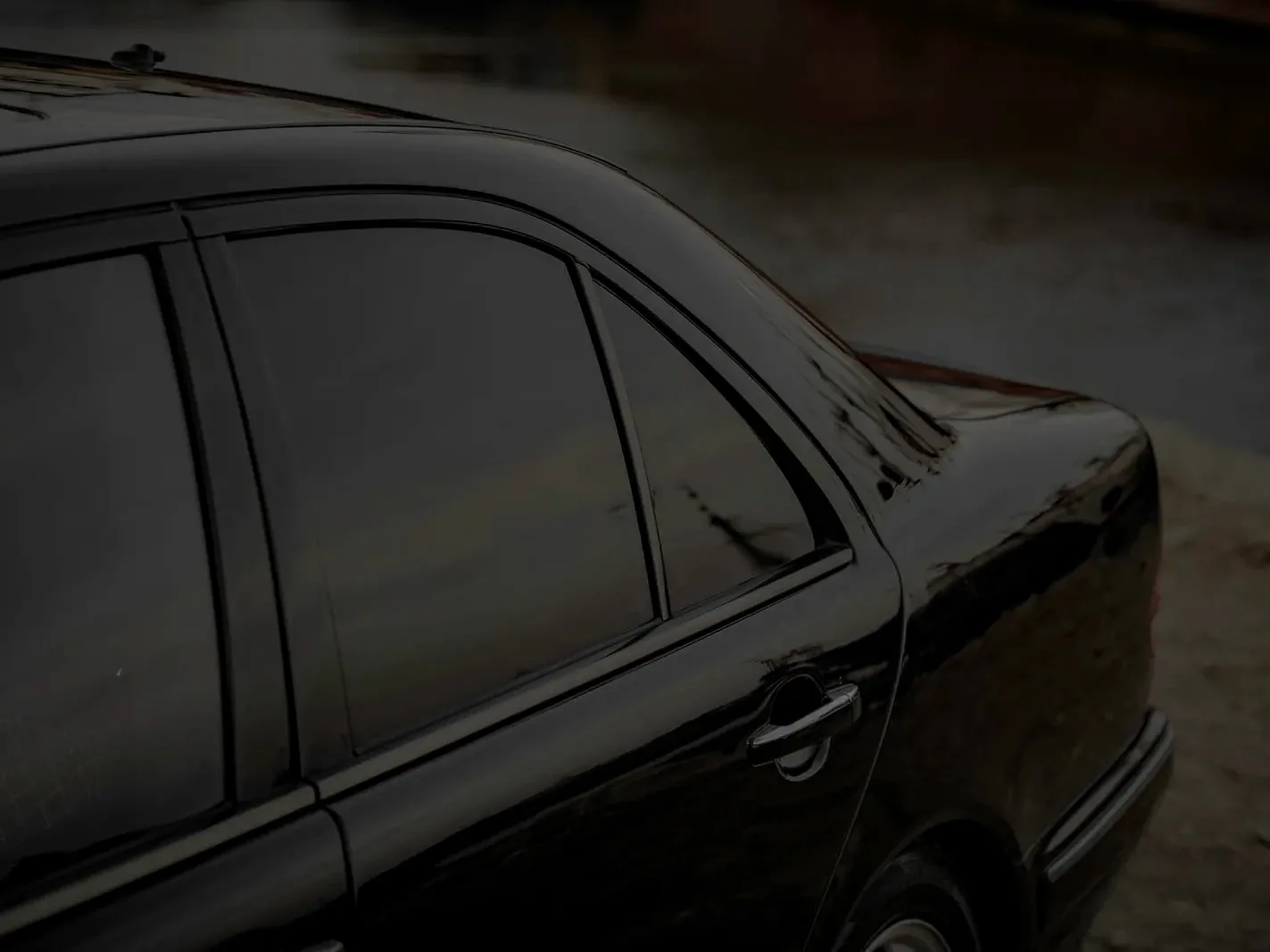
When you're comparing ceramic tint to regular film, the heat-blocking difference is real and measurable. Ceramic tint blocks more infrared heat than standard dyed or metallic film, which means your car or home stays cooler and your air conditioning doesn't have to work as hard. If you're looking into automotive window tinting or residential window tinting, understanding this difference will help you make a choice that actually fits your needs and budget.
How Ceramic Tint Works Against Heat
Ceramic tint uses tiny ceramic particles that don't conduct heat the way metal does. Regular film, especially older dyed film, mostly just darkens the glass. It blocks some light, but infrared heat passes right through. When you get ceramic tint installation, you're getting a layer that actively reflects and absorbs infrared radiation before it enters your space. The particles are non-metallic, so they won't interfere with your phone signal or GPS, which is a real benefit if you spend time in your vehicle.
The heat rejection difference is significant. Quality ceramic tint can block 50 to 70 percent of infrared heat, while regular film typically blocks 20 to 40 percent. In a hot climate or during summer, that translates to a noticeably cooler interior and lower energy costs. For automotive window tinting service, this matters because your vehicle's interior temperature directly affects how comfortable you are and how hard your engine works to cool the cabin.
What Regular Film Actually Does
Standard window tint film comes in three main types: dyed, metallic, and carbon. Dyed film is the cheapest option. It absorbs light but doesn't stop much heat. Metallic film reflects some heat but can create a mirror-like effect and sometimes interferes with electronics. Carbon film sits between the two in price and performance, blocking more heat than dyed film but not as much as ceramic.
The real limitation of regular film is that it's still mostly doing one job: blocking light. Heat rejection is secondary. If your primary goal is privacy or reducing glare, regular film works fine. But if you're specifically trying to keep your space cooler, ceramic tint is the better investment. For automotive window tinting installation, the choice often depends on whether you're parked in direct sun regularly or just want your car to look darker.
Cost of Ceramic Tint Installation
Ceramic tint installation cost runs higher than regular film, typically 30 to 50 percent more depending on the vehicle or building size. A full ceramic tint job on a sedan might run 400 to 700 dollars, while regular film could be 250 to 450 dollars. For residential window tinting, the cost scales with the number of windows, but the same premium applies.
The higher price reflects the material itself and the installation skill required. Ceramic film is thicker and more delicate to work with. A professional who handles ceramic tint installation knows how to avoid bubbles and ensure the film adheres properly. When you call for a quote, ask specifically about ceramic options so you can compare ceramic tint installation cost against regular film for your exact situation.
When Regular Film Is Still the Right Choice
You don't always need ceramic tint. If you're on a tight budget and mainly want privacy or UV protection, regular film does that job. If you're looking at commercial window tinting for a storefront, regular film can reduce glare and fade without the premium cost. For residential window tinting in a climate-controlled home, the heat-blocking benefit is less critical than it is for a vehicle.
The decision also depends on how long you plan to keep the tint. Ceramic film lasts longer, often 10 years or more with proper care, while regular film may degrade in 5 to 8 years. If you're staying put for a while, the long-term cost per year favors ceramic. If you're renting or planning to move soon, regular film makes financial sense.
Emergency and Repair Situations
Sometimes you need tinting fast. If you have a broken window or damaged tint and need emergency mobile tinting or emergency residential window tinting repair, you might not have time to weigh all options. A mobile tinting service can come to you and install standard film quickly. In an emergency, getting coverage fast matters more than getting the absolute best heat rejection.
For ongoing maintenance, ceramic tint is easier to keep clean and doesn't degrade as quickly from sun exposure. If you ever need residential window tinting repair or emergency mobile tinting because existing film is peeling or failing, that's a sign your original film wasn't high quality. Ceramic holds up better over time.
Making Your Decision
The answer to whether ceramic tint blocks heat better than regular film is yes, definitively. The practical question is whether the extra cost makes sense for your situation. If you spend hours in your car, park in direct sun, or live in a hot climate, ceramic tint pays for itself through lower cooling costs and comfort. If you want basic privacy or UV protection on a budget, regular film still works.
When you're ready to move forward, call 961TINTS for a consultation. We handle automotive window tinting service, residential window tinting, and commercial window tinting for customers who want to understand their options before they commit. A quick conversation about your specific space and how you use it will point you toward the right choice.